Unlock Your Family History With Expert Genealogy Research
Genealogy research has become a fascinating journey for many individuals looking to uncover their family history. With the rise of online databases and DNA testing, tracing your ancestry has never been more accessible. However, the process can still be overwhelming without the right guidance. This blog post will explore how expert genealogy research can help you unlock your family history, providing practical tips and insights along the way.

Understanding Genealogy Research
Genealogy is the study of family lineages and histories. It involves collecting and analyzing data about individuals and their relationships over generations. The goal is to create a comprehensive family tree that illustrates your ancestry.
The Importance of Genealogy Research
Understanding your family history can provide a sense of identity and belonging. It can also help you:
Connect with relatives: Discovering long-lost family members can lead to meaningful relationships.
Preserve family stories: Documenting your family's history ensures that stories and traditions are passed down through generations.
Learn about your heritage: Understanding your cultural background can deepen your appreciation for your roots.
Getting Started with Genealogy Research
Before diving into the world of genealogy, it's essential to gather some basic information. Here are the steps to get started:
1. Begin with What You Know
Start by documenting your immediate family. Write down names, birth dates, marriage dates, and any other relevant information. This foundational knowledge will serve as the starting point for your research.
2. Interview Family Members
Talk to relatives, especially older generations, to gather stories and information. Ask questions about:
Family traditions
Significant events
Names of ancestors
These conversations can provide valuable insights and lead to new avenues of research.
3. Organize Your Findings
As you collect information, keep it organized. Use spreadsheets, family tree software, or even a simple notebook to track your findings. This organization will help you visualize connections and identify gaps in your research.
Utilizing Online Resources
The internet has revolutionized genealogy research, providing access to a wealth of resources. Here are some popular online platforms to consider:
1. Ancestry.com
Ancestry.com is one of the largest genealogy databases, offering access to billions of records, including census data, military records, and immigration documents. The platform also allows users to create family trees and connect with other researchers.
2. FamilySearch.org
FamilySearch.org is a free resource provided by The Church of Jesus Christ of Latter-day Saints. It offers access to a vast collection of records and a collaborative family tree feature that allows users to contribute and share information.
3. MyHeritage
MyHeritage is another popular platform that offers DNA testing alongside traditional genealogy research tools. Users can build family trees, access historical records, and connect with relatives through DNA matches.
The Role of DNA Testing in Genealogy
DNA testing has become a game-changer in genealogy research. It provides a scientific approach to uncovering your ancestry and can confirm or challenge traditional research methods.
How DNA Testing Works
DNA tests analyze your genetic material to provide insights into your ethnic background and potential relatives. There are three main types of tests:
Autosomal DNA tests: These tests provide a broad overview of your ancestry and can connect you with relatives across all branches of your family tree.
Y-DNA tests: These tests trace paternal lineage and are only available for males, as they analyze the Y chromosome.
Mitochondrial DNA tests: These tests trace maternal lineage and can be taken by both males and females.
Benefits of DNA Testing
Confirming relationships: DNA testing can help verify connections that may be uncertain through traditional research.
Discovering unknown relatives: You may find relatives you never knew existed, expanding your family network.
Understanding ethnic background: DNA tests can provide insights into your ethnic heritage, revealing connections to different cultures.
Overcoming Challenges in Genealogy Research
While genealogy research can be rewarding, it also comes with its challenges. Here are some common obstacles and how to overcome them:
1. Incomplete Records
Many historical records are incomplete or missing. To navigate this challenge:
Use multiple sources: Cross-reference information from various databases and documents to build a more accurate picture.
Explore local archives: Local libraries, historical societies, and government offices may have records not available online.
2. Name Changes
Name changes can complicate research. To address this issue:
Look for variations: Be aware of different spellings or variations of names, especially in historical records.
Research family stories: Family narratives may provide clues about name changes due to marriage, immigration, or other reasons.
3. Brick Walls
Sometimes, you may hit a "brick wall" in your research where you cannot find any further information. To break through:
Join genealogy groups: Online forums and local genealogy societies can provide support and resources.
Consider hiring an expert: If you're stuck, hiring a professional genealogist can provide fresh insights and access to resources you may not have considered.
Documenting Your Family History
Once you've gathered your research, it's essential to document your findings effectively. Here are some tips for creating a comprehensive family history:
1. Write a Narrative
Consider writing a narrative that tells the story of your family. Include anecdotes, historical context, and significant events. This narrative can be a valuable keepsake for future generations.
2. Create a Family Tree
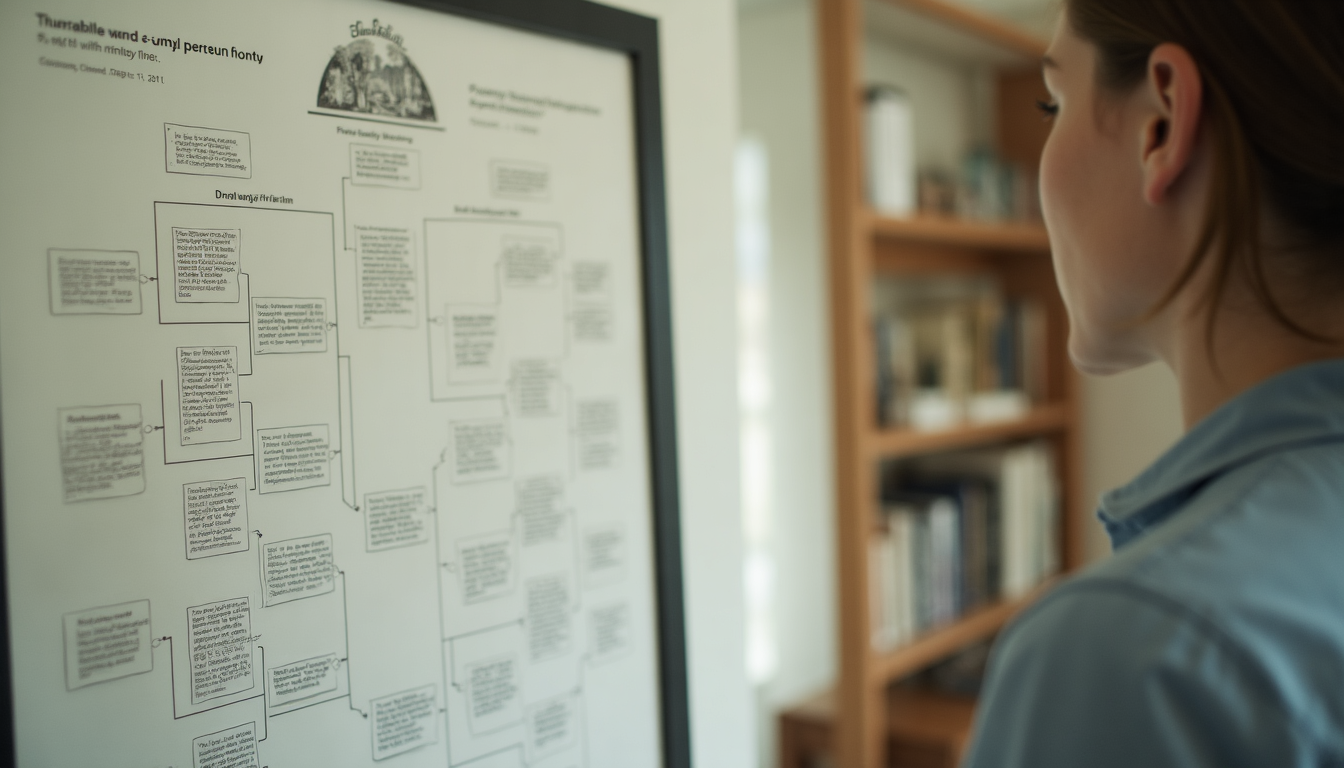
Visual representations of your family history can be powerful. Use family tree software or online platforms to create a detailed family tree that illustrates your lineage.
3. Preserve Artifacts
Collect and preserve family artifacts, such as photographs, letters, and heirlooms. These items can provide a tangible connection to your ancestors and enrich your family's story.
Sharing Your Findings
Once you've compiled your family history, consider sharing it with relatives and the broader community. Here are some ways to do so:
1. Host a Family Reunion
Organizing a family reunion can be a great way to share your findings and connect with relatives. You can present your research, share stories, and celebrate your family's heritage together.
2. Publish a Family History Book
Consider publishing a book that details your family's history. This can be a meaningful gift for family members and a way to preserve your research for future generations.
3. Contribute to Online Databases
If you've uncovered valuable information, consider contributing to online genealogy databases. Sharing your findings can help others in their research and build a sense of community among genealogists.
Conclusion
Unlocking your family history through expert genealogy research can be a rewarding journey. By utilizing online resources, DNA testing, and effective documentation, you can uncover the stories and connections that shape your identity. Remember to share your findings with others, preserving your family's legacy for generations to come. Start your journey today, and who knows what fascinating discoveries await you!

Comments