Preserving Family Legacies: A Guide to Genealogy Projects
Family legacies are more than just names and dates; they are the stories, traditions, and memories that shape our identities. In an age where digital records are becoming increasingly prevalent, the importance of genealogy projects has never been more significant. This guide will walk you through the steps to create a meaningful genealogy project that preserves your family's history for future generations.

Understanding Genealogy
Genealogy is the study of family ancestries and histories. It involves tracing lineage and understanding the connections between family members across generations. This practice not only helps individuals learn about their roots but also fosters a sense of belonging and identity.
Why Genealogy Matters
Connection to the Past: Understanding where you come from can provide a sense of identity and belonging.
Preservation of Family Stories: Every family has unique stories that deserve to be told and remembered.
Cultural Heritage: Genealogy can help you connect with your cultural roots and traditions.
Health Insights: Knowing your family history can provide valuable information regarding hereditary health issues.
Getting Started with Your Genealogy Project
Define Your Goals
Before diving into research, it’s essential to define what you want to achieve with your genealogy project. Consider the following questions:
Are you interested in creating a family tree?
Do you want to document family stories and traditions?
Are you looking to connect with distant relatives?
Gather Initial Information
Start by collecting information from family members. This can include:
Names, birth dates, and places of family members
Family stories, anecdotes, and traditions
Photographs and documents that may provide additional context
Organize Your Findings
As you gather information, it’s crucial to keep it organized. Here are some tips:
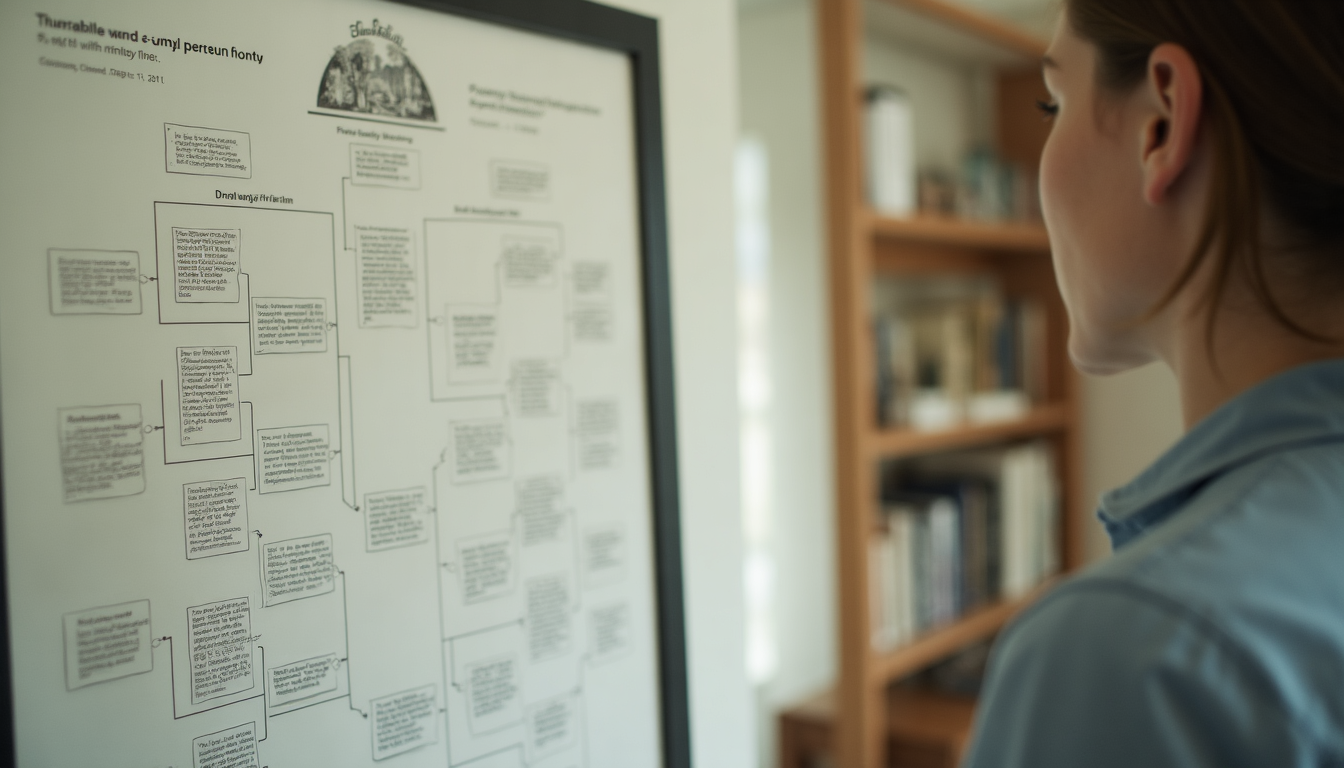
Use a Family Tree Template: This can help visualize relationships and connections.
Create a Digital Folder: Store documents, photos, and notes in a dedicated folder on your computer.
Consider Genealogy Software: Programs like Ancestry, Family Tree Maker, or MyHeritage can help manage your data effectively.
Researching Your Family History
Online Resources
The internet is a treasure trove of genealogical resources. Here are some popular websites to explore:
Ancestry.com: Offers extensive databases and tools for building family trees.
FamilySearch.org: A free resource with a vast collection of records and family trees.
FindAGrave.com: Useful for locating burial sites and obtaining information about ancestors.
Offline Resources
Don’t overlook offline resources, which can be equally valuable:
Local Libraries: Many libraries have genealogy sections with access to historical records.
Historical Societies: These organizations often have archives and knowledgeable staff who can assist in your research.
Census Records: These documents can provide insights into family structures and living conditions.
Interviewing Relatives
Conducting interviews with older family members can yield rich stories and details that may not be documented elsewhere. Here are some tips for effective interviews:
Prepare Questions: Have a list of questions ready, but be open to following the conversation where it leads.
Record the Interview: With permission, record the conversation for accuracy.
Take Notes: Jot down key points and stories that stand out.
Documenting Your Findings
Create a Family Tree
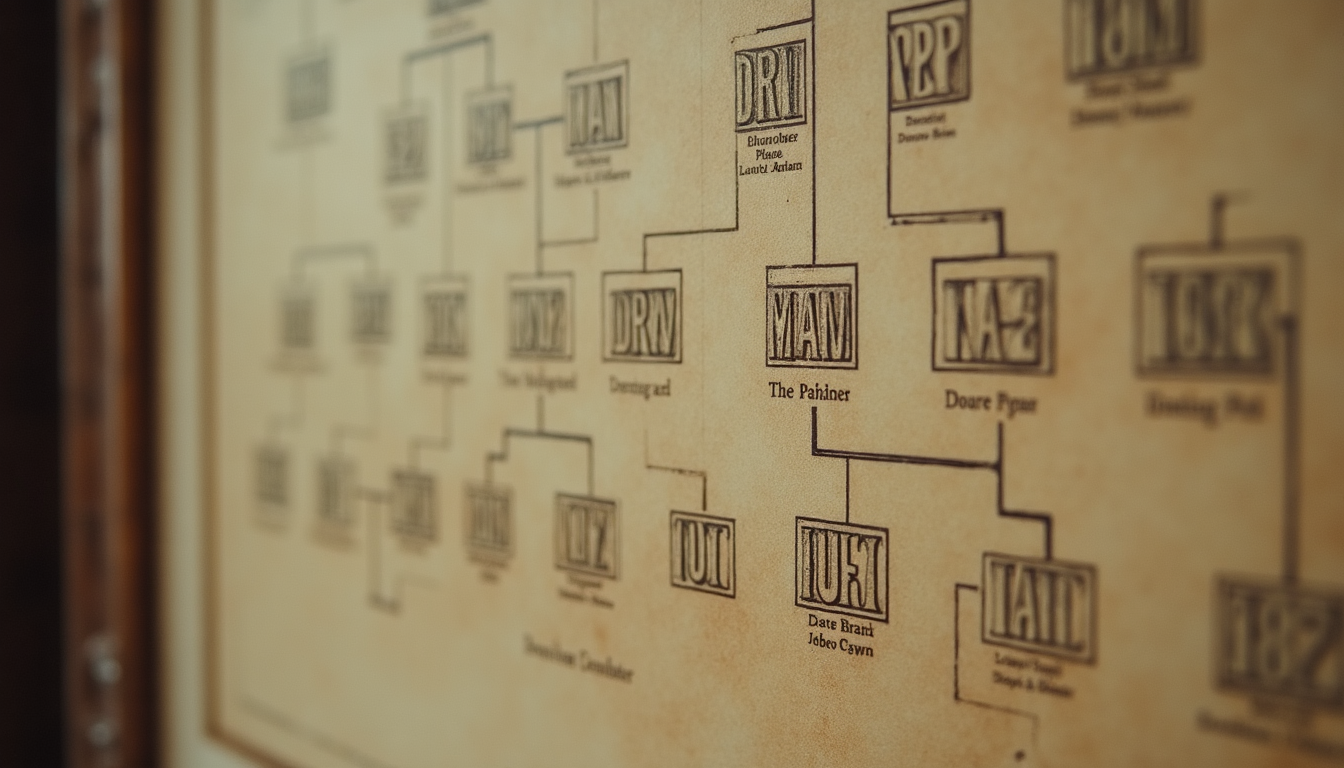
A family tree is a visual representation of your family lineage. You can create one using:
Hand-drawn Charts: For a personal touch, consider drawing your family tree by hand.
Digital Tools: Software like Lucidchart or Canva can help create professional-looking family trees.
Write Family Histories
Documenting family histories can be a rewarding endeavor. Consider the following:
Chronological Approach: Write about each generation in chronological order.
Thematic Approach: Focus on specific themes, such as migration, occupations, or significant events.
Include Anecdotes: Personal stories can bring your family history to life.
Preserve Photographs and Documents
Physical documents and photographs can deteriorate over time. Here are some preservation tips:
Digitize: Scan photographs and documents to create digital backups.
Store Properly: Use acid-free materials for physical storage to prevent damage.
Label: Clearly label photographs with names, dates, and locations for future reference.
Sharing Your Genealogy Project
Family Gatherings
Consider sharing your findings during family gatherings. This can be a great way to engage relatives and encourage them to contribute their stories and information.
Create a Family Newsletter
A family newsletter can be an effective way to keep everyone updated on your genealogy project. Include:
Recent discoveries
Upcoming family events
Requests for additional information or stories
Publish a Family Book
For a more formal approach, consider compiling your research into a family history book. This can be a wonderful keepsake for family members. Here’s how to get started:
Organize Your Content: Structure the book with chapters focusing on different family branches or themes.
Include Visuals: Add photographs, documents, and family trees to enhance the narrative.
Consider Self-Publishing: Platforms like Blurb or Lulu can help you publish your book professionally.
Engaging the Next Generation
Involve Younger Family Members
Encouraging younger family members to participate in genealogy projects can help instill a sense of pride in their heritage. Here are some ideas:
Create Interactive Activities: Organize family history scavenger hunts or storytelling sessions.
Use Technology: Introduce them to genealogy apps and websites to spark their interest.
Encourage Storytelling: Ask them to share their favorite family stories or traditions.
Educational Opportunities
Consider incorporating genealogy into educational settings. This can include:
School Projects: Encourage students to research their family history as part of a history project.
Workshops: Host workshops at local libraries or community centers to teach others about genealogy research.
Conclusion
Preserving family legacies through genealogy projects is a fulfilling journey that connects us to our past and strengthens our family bonds. By gathering information, documenting findings, and sharing stories, you can create a lasting legacy that future generations will cherish. Start your genealogy project today, and uncover the rich tapestry of your family's history. Remember, every story matters, and your family's legacy is waiting to be discovered.
Comments