Reconnect With Your Heritage Through Ancestry Consultations
In a world that often feels disconnected, many people are seeking ways to reconnect with their roots. Ancestry consultations offer a unique opportunity to explore your family history, uncover hidden stories, and gain a deeper understanding of your heritage. Whether you're curious about your lineage or looking to strengthen your identity, these consultations can provide valuable insights and connections to your past.

Understanding Ancestry Consultations
Ancestry consultations are personalized sessions with experts who guide you through the process of discovering your family history. These sessions can vary in length and depth, depending on your interests and the complexity of your family tree. Here are some key components of what you can expect during an ancestry consultation:
What to Expect
Personalized Research: Experts will tailor their research to your specific family history, focusing on the regions and cultures that are significant to you.
Access to Resources: Consultants often have access to databases, historical records, and genealogical tools that may not be available to the general public.
Storytelling: Beyond just names and dates, ancestry consultations often include narratives that bring your family history to life, connecting you to the experiences of your ancestors.
Benefits of Ancestry Consultations
Engaging in an ancestry consultation can provide numerous benefits, including:
Cultural Connection: Understanding your heritage can foster a sense of belonging and identity.
Family Legacy: Discovering your family's history can help you appreciate the struggles and triumphs of those who came before you.
Health Insights: Some ancestry consultations can provide information about genetic predispositions, helping you understand potential health risks.
The Process of Ancestry Research
The journey of ancestry research typically involves several steps. Here’s a breakdown of the process:
Step 1: Initial Consultation
During the first meeting, you will discuss your goals and what you hope to learn. This is a crucial step as it sets the direction for the research. Be prepared to share any information you already have, such as names, dates, and locations.
Step 2: Research Phase
After the initial consultation, the expert will begin the research phase. This may involve:
Online Databases: Utilizing platforms like Ancestry.com or FamilySearch to gather information.
Public Records: Accessing birth, marriage, and death certificates, as well as census data.
Historical Context: Understanding the historical events that may have impacted your ancestors' lives.
Step 3: Analysis and Findings
Once the research is complete, the consultant will analyze the findings and prepare a report. This report may include:
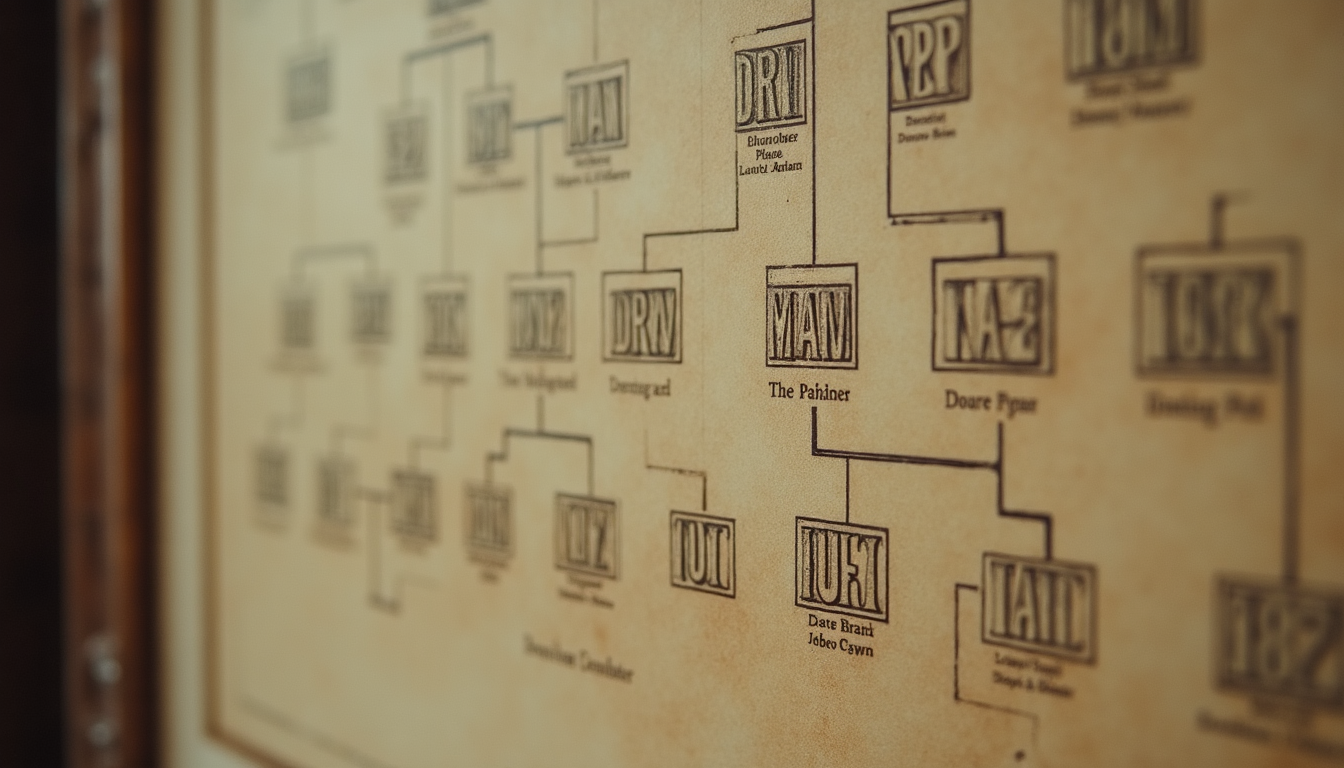
Family Tree: A visual representation of your lineage.
Historical Context: Information about the time periods and locations relevant to your ancestors.
Personal Stories: Anecdotes or significant events that shaped your family history.
Step 4: Follow-Up Consultation
In the follow-up meeting, you will review the findings and discuss any further questions or areas of interest. This is also an opportunity to explore additional research avenues if desired.
Real-Life Examples of Ancestry Discoveries
Many people have experienced profound revelations through ancestry consultations. Here are a few inspiring stories:
Case Study 1: Discovering a Hidden Heritage
One client, Sarah, approached an ancestry consultant to learn more about her family background. She had always believed her family was of Irish descent. However, the research revealed a surprising connection to a Native American tribe. This discovery not only enriched her understanding of her heritage but also deepened her appreciation for the diverse cultures that shaped her family.
Case Study 2: Reconnecting with Long-Lost Relatives
Another client, John, was interested in finding relatives he had never met. Through the consultation, he discovered a cousin living in another state. The two connected and shared stories about their grandparents, creating a bond that had been lost for generations.
Case Study 3: Understanding Health Risks
A woman named Lisa sought an ancestry consultation to learn more about her family history. During the process, she discovered that several family members had a history of heart disease. This information prompted her to take proactive steps toward her health, including lifestyle changes and regular check-ups.
How to Choose the Right Ancestry Consultant
Selecting the right consultant is crucial for a successful ancestry journey. Here are some tips to help you make an informed choice:
Credentials and Experience
Look for consultants with relevant qualifications, such as certifications from genealogical organizations. Experience in specific regions or cultures can also be beneficial.
Client Testimonials
Reading reviews and testimonials from previous clients can provide insight into the consultant's effectiveness and approach.
Services Offered
Different consultants may offer varying services. Some may specialize in DNA analysis, while others focus on historical research. Choose one that aligns with your interests.
Communication Style
A good consultant should be able to explain complex information in a way that is easy to understand. During your initial consultation, pay attention to how well they communicate.
The Role of Technology in Ancestry Research
Technology has revolutionized the way we conduct ancestry research. Here are some ways technology enhances the process:
Online Databases
Websites like Ancestry.com and MyHeritage allow users to access vast amounts of genealogical data. These platforms often include user-generated family trees, which can provide leads for your research.
DNA Testing
DNA testing has become a popular tool for ancestry research. Companies like 23andMe and AncestryDNA offer tests that can reveal ethnic backgrounds and connect you with distant relatives.
Virtual Consultations
With the rise of remote work, many ancestry consultants now offer virtual consultations. This flexibility allows you to connect with experts from around the world without geographical limitations.
Preserving Your Family History
Once you’ve uncovered your family history, it’s essential to preserve it for future generations. Here are some ways to do this:
Create a Family Tree
Visualizing your family tree can help you and your relatives understand your lineage. Consider using online tools or software to create a digital version.
Document Stories
Encourage family members to share their stories and experiences. Recording these narratives can provide context and depth to your family history.
Share with Family
Organize family gatherings or create a family newsletter to share your findings. This can foster a sense of connection among relatives and encourage others to contribute their stories.
Conclusion
Ancestry consultations offer a powerful way to reconnect with your heritage and understand your family's story. By engaging with experts, you can uncover hidden connections, gain insights into your identity, and preserve your family's legacy for future generations. Whether you're looking to explore your roots or simply satisfy your curiosity, taking the step to consult with an ancestry expert can be a rewarding journey.
As you embark on this journey, remember that your family's history is a treasure trove of experiences waiting to be discovered. Take the first step today and begin to uncover the rich tapestry of your heritage.
Comments